

01283 736 133
for information
for information
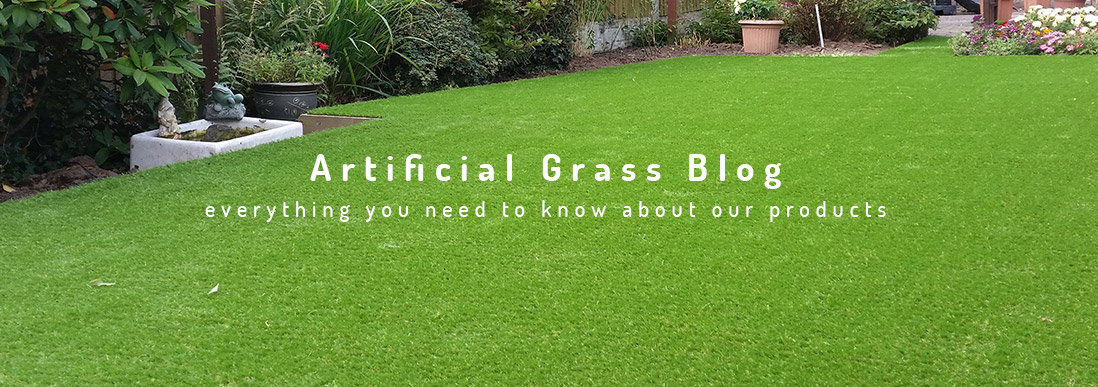
A lawn is not the same thing as a garden. Grass can be part of it, but it should not dominate your time, energy or expectations. A well-designed garden is about structure, atmosphere and purpose. The surface underfoot is simply the foundation.
Artificial grass provides a consistent, low-maintenance base that frees you up to focus on what really brings a garden to life: planting, height, scent, texture and wildlife. Instead of spending spring battling patchy turf and moss, you can invest your effort into features that genuinely enhance how your space looks and feels.
Spring is the time to assess your garden properly. Before buying plants or materials, stand back and ask a practical question: what do you want this space to do?
Consider how you use the garden. Do you need a seating area that catches the afternoon sun? A safe, clean play space? A clear path to a shed or outbuilding? Identify where water collects, which areas receive full sun, and where wind is strongest. These details shape better decisions.
A simple sketch helps. Mark out hard surfaces, borders, shaded corners and sunny spots. Add rough measurements. Planning first avoids expensive mistakes and ensures the garden works around your lifestyle.
A garden instantly improves when it is tidy and defined. Remove old leaves from borders, pull weeds before they establish, and sweep paving and paths. Clean pots and refresh tired edges between slabs.
If you have artificial grass, treat it properly. Brush the fibres upright with a stiff broom, rinse away winter debris and check drainage points are clear. A clean, well-maintained surface makes the entire space look intentional and cared for.
While artificial grass reduces maintenance in open areas, your borders and planters are where life happens. Healthy soil is essential.
Add a 3–5cm layer of compost or well-rotted manure to beds and borders. Mulch after weeding to retain moisture and suppress future growth. If your soil is heavy clay, mix in grit and organic matter to improve drainage. If it is sandy, add plenty of organic matter to improve structure.
Use a balanced, slow-release fertiliser rather than high-nitrogen feeds, which can produce excessive leafy growth at the expense of flowers.
Raised planters bring order and impact. They create height, improve drainage and reduce strain on your back.
For practical sizing:
Fill raised planters with a free-draining base if required, then a mix of quality topsoil and compost (around 60/40). Finish with mulch for moisture retention and a clean appearance.
Good planting relies on structure first. Include evergreen shrubs for year-round form. Options such as Ilex crenata, Lonicera nitida or rosemary and sage provide shape and scent.
For spring interest, add bulbs like crocus, daffodils and tulips, along with early flowering plants such as hellebores and primroses. Position scented varieties like hyacinths near seating areas.
For summer continuity and wildlife value, include lavender, salvia, nepeta, echinacea and verbena bonariensis. These plants attract pollinators and add movement without excessive maintenance.
Always plant in layers: taller plants at the back or centre, medium-height plants in the middle, and trailing varieties around the edges. This creates a full, established look more quickly.
Wildlife thrives where there is food, water and shelter.
Install a shallow bird bath and refresh it regularly. If space allows, add a small pond or half-barrel water feature. Even compact water sources attract birds and beneficial insects.
Create shelter with log piles or discreet insect habitats tucked within planting. Leave a small, controlled area of natural debris to support insects. If possible, allow small gaps in fences to enable hedgehog movement.
Avoid chemical slug pellets, as they disrupt the wider ecosystem.
Artificial grass works best as part of a considered design. Keep edges sharp and well-defined for a premium finish. Soften boundaries with curved borders, raised beds or trailing plants that gently overlap.
Introduce vertical interest with trellis, screening, shrubs and tall grasses in containers. Combine textures such as gravel, decking or stone edging to prevent the garden feeling flat.
When installed and maintained correctly, artificial grass stops being a compromise and becomes a stable, attractive foundation. From there, the living elements, plants, scent, colour and wildlife, create the atmosphere.
Spring is not about chasing perfection. It is about building a garden that works for you. Let artificial grass provide the reliable base, and focus your time on the features that bring genuine life and character to the space.