

01283 736 133
for information
for information
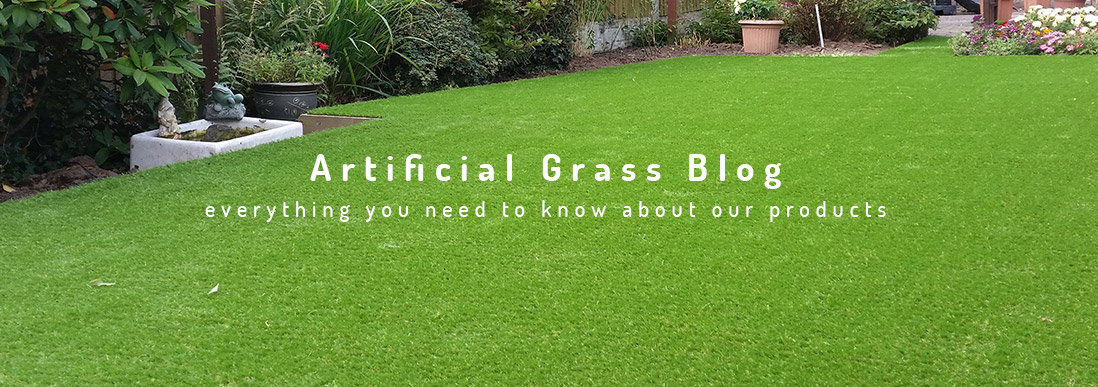
Artificial grass has moved well beyond being a purely aesthetic choice. For homeowners and businesses it represents a practical, long-term cost-saving solution compared to natural turf. When you break down the ongoing expenses associated with maintaining a real lawn, the financial advantages of artificial grass become clear.
One of the most immediate savings comes from eliminating the need to water your lawn. Natural grass requires regular watering, particularly during dry periods, which can significantly increase your water bill over time. Artificial grass removes that dependency entirely. Regardless of weather conditions, it maintains its appearance without a single drop of water.
Maintaining a natural lawn involves regular mowing throughout the growing season. This brings both direct and indirect costs through lawn mower purchases, fuel or electricity and the time spent cutting and maintaining the lawn. With artificial grass, mowing is eliminated. There is no need for expensive equipment, servicing, or ongoing energy use.
Natural lawns require fertilisers, weed killers, and pest control products to remain healthy and visually appealing. These recurring purchases add up annually. Artificial grass removes the need for fertiliser applications, weed treatments and moss and algae control. Not only are you saving money, but you are also reducing the chemical use around your home.
Over time, natural grass wears out. High-traffic areas become patchy, and seasonal damage often requires reseeding or even full turf replacement. These repairs are both time-consuming and costly. Artificial grass is designed to withstand consistent use without degradation, meaning no recurring repair expenses.
The UK climate is unpredictable. Heavy rain leads to muddy, unusable lawns, while dry spells can cause grass to burn and die. Artificial grass remains consistent regardless of weather.
• No mud during wet conditions
• No dry patches during heatwaves
• Always usable, all year round
This reliability eliminates the need for seasonal fixes or recovery work.
Time has a cost. Regular lawn care, including, mowing, watering, weeding and feeding can take hours each month. Whether you value your time personally or would otherwise pay a gardener, artificial grass effectively removes this ongoing commitment.
While artificial grass has an upfront installation cost, it should be viewed over a multi-year period especially when you factor in water savings, equipment costs and maintenance products. Most installations pay for themselves over time. High-quality artificial grass can last 10–15 years or more, making it a stable, predictable investment.
To conclude, artificial grass is not just about appearance, it is a cost-control decision. By removing the ongoing expenses tied to natural lawn maintenance and eliminating reliance on weather conditions, it provides a consistent, low-maintenance, and financially efficient alternative. For properties in the UK, where weather variability and maintenance costs are ongoing concerns, the long-term savings are substantial.