

01283 736 133
for information
for information
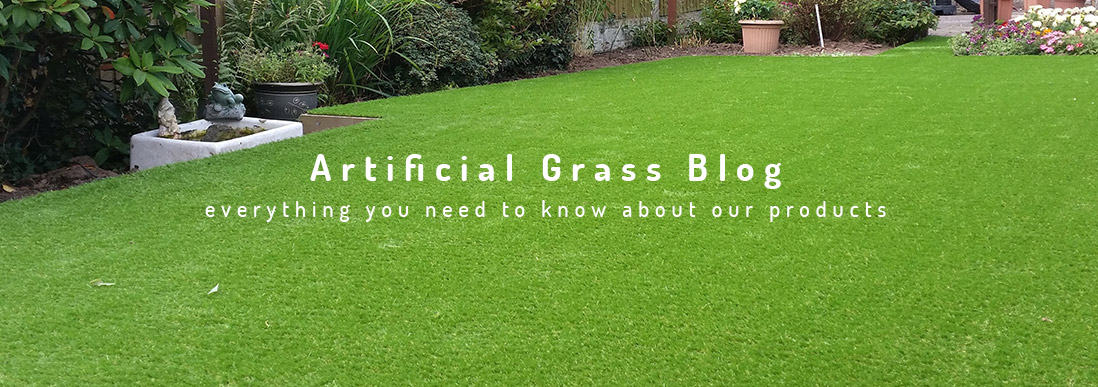
Artificial grass is designed to be low maintenance, but that does not mean it is completely maintenance free. Regular upkeep helps your lawn stay clean, hygienic and visually appealing throughout the year. Whether you have installed artificial grass in a family garden, pet area, school playground or commercial outdoor space, a simple maintenance routine will help protect your investment and extend the lifespan of the surface.
At Artificial Grass Derbyshire, we often speak to customers who want to know the best ways to keep their artificial lawn looking fresh. This guide covers the key steps involved in artificial grass maintenance, including cleaning, brushing, weed prevention and seasonal care.
One of the biggest advantages of artificial grass is that it removes many of the time-consuming jobs associated with natural lawns. There is no mowing, watering, feeding or reseeding required. However, outdoor surfaces are still exposed to dirt, leaves, debris and general wear from foot traffic and weather conditions.
Routine maintenance helps to:
With the right care, a quality artificial lawn can continue to look its best for many years.
Leaves, twigs and other garden debris should be removed regularly to stop organic matter building up on the surface. This is particularly important during autumn when fallen leaves can collect quickly.
A soft brush, leaf blower or plastic garden rake is usually sufficient for clearing debris. Avoid using metal rakes or sharp gardening tools, as these can damage the fibres or backing of the grass.
Keeping the surface clear also helps reduce the risk of moss or weeds developing over time.
Artificial grass fibres can naturally flatten in areas that receive regular foot traffic, such as pathways, seating areas or play zones. Brushing the grass helps lift the fibres back upright and maintain a more natural appearance.
A stiff brush with synthetic bristles should be used against the direction of the pile. For larger areas, powered brushes designed for artificial grass can make the process quicker and more effective.
Most domestic installations only require occasional brushing, although high-use areas may benefit from more regular attention.
Rainfall will naturally wash away a lot of everyday dust and dirt, but occasional cleaning can help keep the surface looking fresh.
For general cleaning:
Artificial grass used by pets may require additional cleaning. Pet waste should be removed as soon as possible, and the area rinsed afterwards. Specialist artificial grass cleaners and deodorising products are also available for maintaining pet-friendly lawns.
Although weeds cannot grow through the artificial grass itself, airborne seeds can sometimes settle on the surface, particularly around the edges or joins. Moss and algae may also develop in damp or shaded areas if debris is left to build up.
To minimise growth:
Good installation practices, including the use of a weed membrane, significantly reduce the likelihood of weed growth beneath the surface.
Artificial grass maintenance requirements can vary slightly throughout the year.
Spring and Summer
Warmer months are ideal for brushing the fibres upright and carrying out a deeper clean if needed. This is also a good time to inspect for any minor repairs or areas that may need attention after winter weather.
Autumn
Falling leaves should be removed regularly to prevent moisture retention and moss growth.
Winter
Artificial grass can still be used during cold weather, although frost and snow may temporarily harden the fibres. Snow should generally be left to melt naturally where possible. Avoid using sharp tools to scrape ice from the surface.
Artificial grass can be pressure washed occasionally, but care should be taken to avoid damaging the fibres or disturbing the infill.
If using a pressure washer:
For most domestic lawns, a hose and brush are usually more than enough for regular maintenance.
While most artificial lawns are easy to maintain yourself, professional maintenance services are available for deeper cleaning and rejuvenation. This can be particularly useful for larger commercial installations, sports surfaces or older lawns that have become compacted over time.
Professional maintenance may include:
The level of maintenance required depends on how heavily the area is used and the surrounding environment. In most domestic gardens, a quick brush and debris removal every few weeks is usually enough to keep the lawn in good condition.
Homes with pets, children or nearby trees may require slightly more regular cleaning.
Artificial grass offers a practical, attractive and low-maintenance alternative to natural turf, but a small amount of routine care goes a long way. Regular brushing, debris removal and occasional cleaning will help keep your lawn looking fresh, clean and durable for years to come.
If you are considering a new artificial lawn or would like advice on maintaining an existing installation, contact Artificial Grass Derbyshire to speak with our team.